Hold
We buy to keep. A sale is the exception we plan for, never the plan itself. That frees us to make every decision on a thirty-year clock.
Hold. Maintain. Reserve. Reinvest. The order matters, and so does doing all four every year.
We buy to keep. A sale is the exception we plan for, never the plan itself. That frees us to make every decision on a thirty-year clock.
Roofs, façades, boilers and risers get attention before they ask for it. We walk every building on a regular rhythm and write down what we see.
Cash set aside in advance turns emergencies into line items. The reserve is sized for the bad year, not the average one.
What the buildings earn goes back into the buildings first: better systems, quieter stairs, brighter halls.
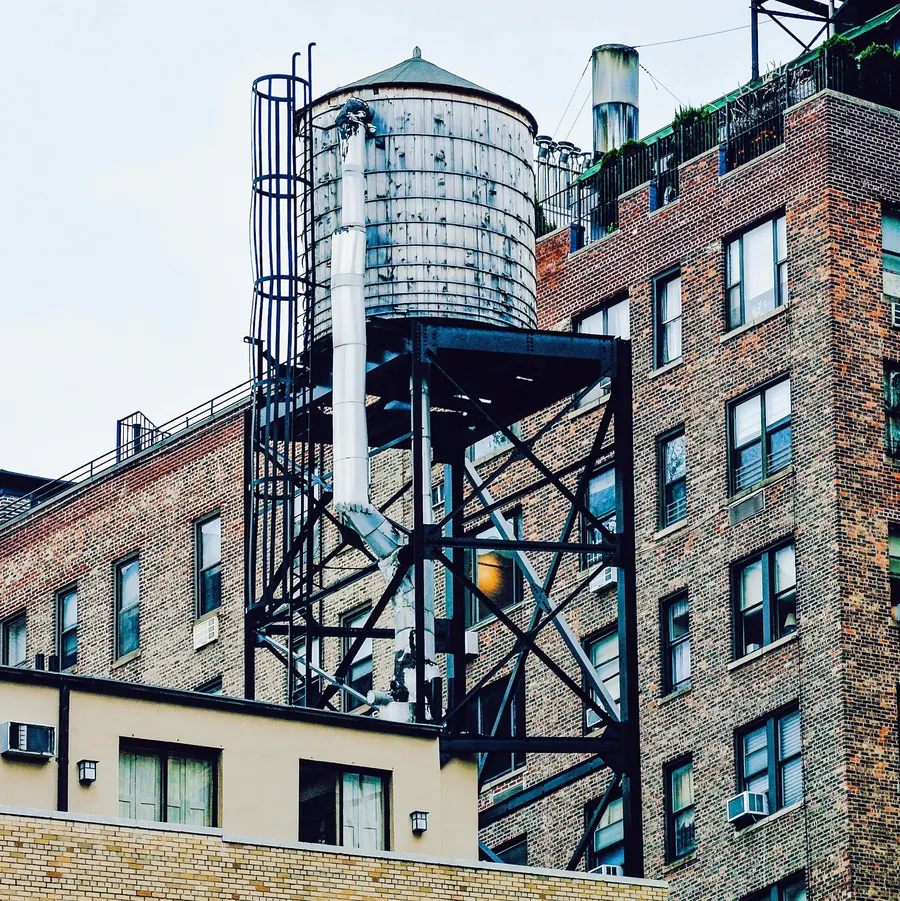
Choose a number on the drawing. This is how we read any building before we hold it, and how we keep reading it afterwards.
Water gets in at the edges, so that is where we start: flashing, coping, drains, the tank and its supports.
Look for — Pooling, patched patches, loose coping